
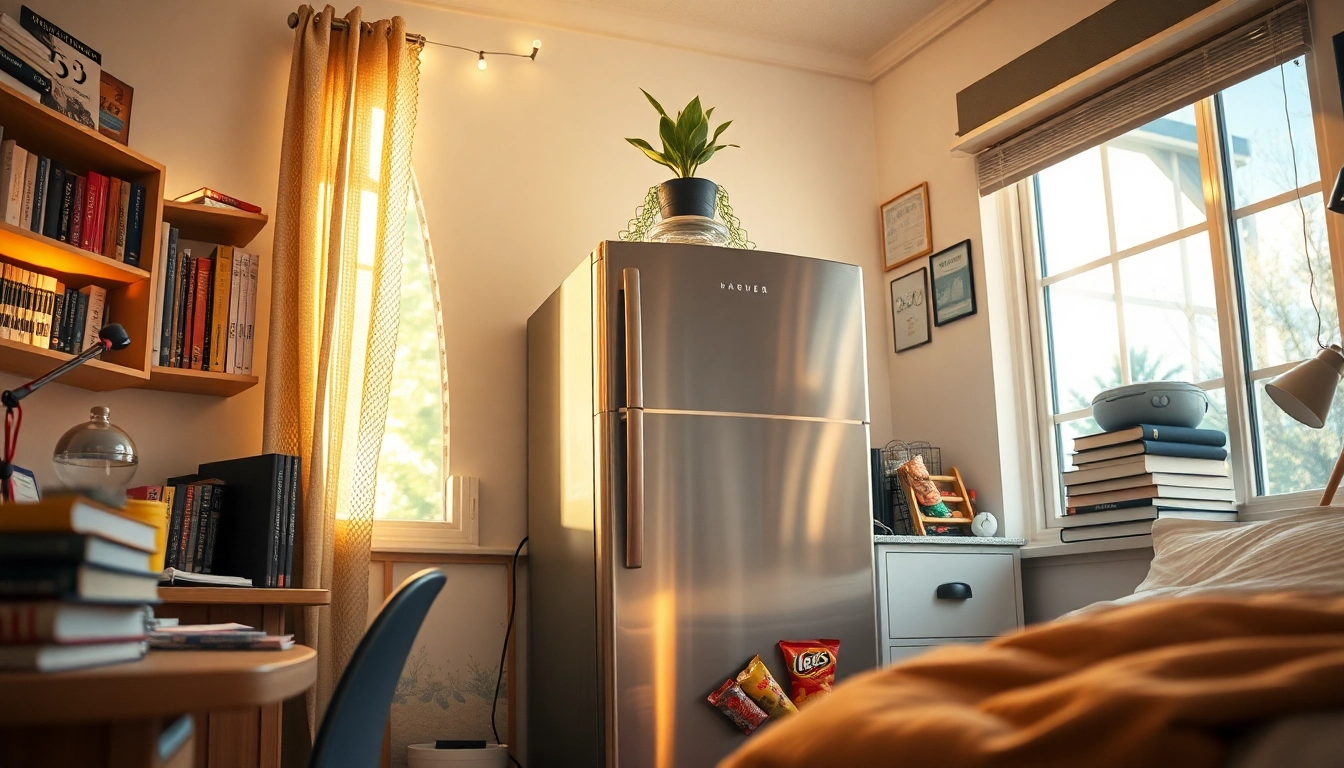
Your Guide to Choosing the Perfect Dorm Room Fridge for Any Lifestyle
Understanding the Importance of a Dorm Room Fridge
The Role of a Dorm Room Fridge in Student Life
Living in a dormitory presents unique challenges and opportunities that can significantly impact student life. Among these essentials is a dorm room fridge, a versatile appliance that contributes not only to convenience but also to health and lifestyle management. In a confined space where cooking facilities may be limited, a fridge becomes vital for storing food and beverages, sustaining energy levels during long study sessions, and accommodating personal preferences.
Key Features to Look for in a Dorm Room Fridge
When shopping for a dorm room fridge, several features enhance functionality and user experience. Look for aspects like:
- Size: Opt for compact models around 3-4 cubic feet to fit into limited spaces without being overwhelming.
- Energy Efficiency: Choose models with Energy Star ratings to reduce electricity bills and promote sustainability.
- Adjustable Shelving: This allows for better organization and flexibility considering varying food items.
- Freezer Compartment: A small freezer can be a useful addition for storing ice or frozen meals.
Space-Saving Solutions for Small Dorms
Effective organization is crucial for maximizing space in a dorm room. Consider your dorm room fridge in conjunction with your overall space. Using vertical storage solutions such as stacking containers or magnetic clips can help keep the refrigerator tidy and efficient. Look for fridges with a flat top to utilize this space for additional storage options like snacks or kitchen tools.
Types of Dorm Room Fridges to Consider
Compact vs. Standard Size Dorm Room Fridge
Choosing between compact and standard-size fridges hinges on your spatial and functional needs. Compact fridges are ideal for small dorms due to their reduced footprint, making them easy to fit under desks or in closets. Standard sizes, while sometimes limiting in dorm spaces, provide additional storage capacity for those who prefer to stock up on groceries.
Energy Efficiency: Why It Matters
As sustainability becomes increasingly vital, energy efficiency should be a top priority. Energy-efficient appliances use less electricity, which translates into lower utility costs—an important consideration for budget-conscious students. Additionally, investing in greener models contributes to environmental preservation, encouraging responsible consumption habits among young adults.
Stylish Designs that Fit Your Personality
Your dorm room is a representation of your personal style, and your dorm room fridge can reflect that. The market offers a variety of styles, colors, and finishes, from sleek modern designs to retro models. Selecting a fridge that aligns with your aesthetic can enhance your living space while still serving primary functions.
Best Practices for Using Your Dorm Room Fridge
Smart Organization Tips for Your Dorm Room Fridge
To maintain an efficient fridge, organization is key. Begin by categorizing items based on food groups. Keep dairy products on the top shelves, vegetables in the crisper drawers, and frequently used items at the front. This method not only facilitates easier access but also minimizes the chances of spoilage and fosters a tidy environment.
Maintaining Your Dorm Room Fridge for Longevity
Regular maintenance extends the lifespan of your fridge. This includes cleaning the interior monthly to prevent odors and ensure cleanliness. Wipe down surfaces with a mild detergent, and regularly inspect seals on the door to ensure they are intact. Consider defrosting the freezer if ice build-up occurs, which can enhance efficiency and preserve space.
Maximizing Storage Space Effectively
Beyond organization, maximizing the use of available space can enhance functionality significantly. Use stackable storage bins for items like condiments and small snacks, enabling you to take advantage of vertical storage. Additionally, utilizing door shelves effectively for bottles and cans can free up valuable shelf space.
Common Challenges and Solutions with Dorm Room Fridges
Dealing with Noise Issues in Your Dorm Room Fridge
Noise can be a common issue with dorm room fridges, particularly when trying to study or sleep. To address this, opt for models known for quiet operation. Placing the fridge on a flat surface and avoiding overcrowding can minimize vibrations and noise levels. If noise remains a significant issue, consider relocating the unit to a less obtrusive area of the room.
Handling Temperature Fluctuations
Temperature instability can jeopardize food safety. To combat this, regularly check the refrigerator’s thermostat, aiming for a consistent temperature between 35°F and 38°F. Avoid frequent openings, as this can lead to abrupt temperature changes. Monitoring and adjusting refrigerators according to seasonal changes can also be beneficial.
Managing Limited Space Effectively
Effective management of limited space comes down to strategic placement and organization. Consider placing your dorm room fridge in a corner or elevated surface to maximize walking space. Use creative storage solutions like multi-purpose furniture—tables that serve as storage or hidden compartments within seating—to optimize overall living space.
FAQs About Dorm Room Fridges
What size dorm room fridge should I choose?
Opt for a compact fridge, typically around 3-4 cubic feet, perfect for limited dorm space.
How to maintain the optimal temperature in my dorm room fridge?
Keep your fridge temperature between 35-38°F for optimal food preservation and safety.
Can I fit a full-sized fridge in my dorm?
Due to space restrictions, it’s usually best to stick with a compact fridge for dorm rooms.
How often should I clean my dorm room fridge?
Regularly check and clean your fridge about once a month to prevent odors and spoilage.
What are energy-efficient options for dorm room fridges?
Look for models with an Energy Star rating to save on electricity costs while in college.