
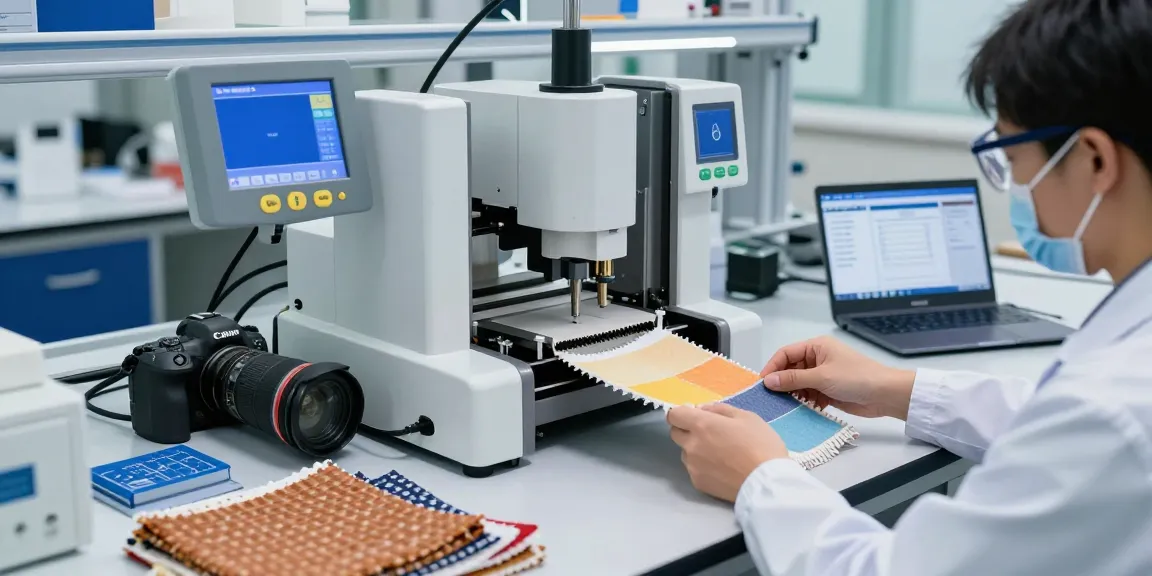
Maximizing Profit with the Elmendorf Tester in 2026: Expert Insights for Quality Control
Understanding the Elmendorf Tester
The Elmendorf Tester is a pivotal tool in the textile and materials testing industry, specifically designed to measure the tear strength of various materials. This highly specialized instrument employs a pendulum mechanism to ascertain the force necessary to propagate a tear in a fabric, paper, or similar material. The accuracy and efficiency of the elmendorf tester make it an indispensable asset for quality control labs across multiple sectors.
What is the Elmendorf Tester?
The Elmendorf Tester, also known as the Elmendorf Tearing Strength Tester, operates on a straightforward yet effective principle. When a pendulum is released from a predetermined height, it falls and impacts the test sample, ripping it apart along a pre-cut notch. The energy expended in the tearing process is measured, providing a quantifiable tear resistance value. This method is widely recognized for its effectiveness in evaluating fabric integrity and reliability.
Key Features and Specifications
- Automation: The ChiuVention ElmenGuide model is fully automated, meaning no manual adjustments are required, significantly reducing human error.
- Precision: Measures tear strength with an accuracy of ±0.2%, ensuring reliable results in various testing scenarios.
- Compliance: Meets international standards including ISO 13937-1, ASTM D 1424, and GB/T 3917-2009, making it suitable for global markets.
- User-Friendly Design: Equipped with an ergonomic interface, the tester allows easy operation, even for novices.
- IoT Integration: Connects with smartphones and PCs via the SmarTexLab App for real-time data monitoring and report generation.
Comparison with Traditional Testing Methods
Traditional Elmendorf testers often require meticulous manual adjustments and calculations, which can lead to inconsistencies in results. In contrast, the ElmenGuide Elmendorf Tester automates these processes, providing quick and accurate measurements without the need for operator intervention. This advancement not only enhances testing efficiency but also significantly mitigates the risks associated with human error.
The Importance of Tear Resistance Testing
Why Tear Resistance Matters in Textile Production
Tear resistance testing is crucial in the textile industry as it determines the durability and reliability of fabrics. When a material has high tear resistance, it implies that it can withstand stresses during manufacturing and use without failure. This characteristic is vital for applications ranging from clothing to industrial textiles, ensuring longevity and performance.
Common Materials Tested with the Elmendorf Tester
The Elmendorf Tester can assess a wide variety of materials, including:
- Woven fabrics
- Non-woven fabrics
- Plastic films
- Thick paper and board materials
- Laminated materials
Global Standards for Tear Testing Compliance
Compliance with global standards is essential for materials testing. The Elmendorf Tester adheres to multiple international standards, including ASTM D 1424, BS ISO 13937-1, and GB/T 3917.1. These standards ensure that the results are recognized across various industries, reinforcing the tester’s credibility and relevance in quality assurance processes.
Optimizing Testing Processes
Automation Benefits in Tear Testing
Automation in testing processes presents numerous benefits, including increased throughput, reduced employee fatigue, and elevated accuracy. Automated testers like the ElmenGuide not only streamline operations but also enable labs to maintain a consistent quality control protocol effortlessly.
Streamlining Workflow in Quality Control Labs
Incorporating automated testing systems enhances overall lab efficiency. Operators can focus on analyzing test outcomes rather than performing repetitive manual tasks, thereby improving productivity. The Elmendorf Tester’s capability to integrate with existing laboratory information management systems (LIMS) further optimizes workflow and facilitates seamless data management.
Integrating IoT for Enhanced Monitoring
The introduction of IoT technology into testing instruments has revolutionized data management. The SmarTexLab App associated with the Elmendorf Tester allows users to monitor real-time testing statuses, receive notifications, and manage data from remote locations. This capability not only enhances convenience but also fosters more informed decision-making based on accurate test results.
Challenges in Tear Resistance Testing
Common Misconceptions About Elmendorf Testing
Despite its widespread use, there are several misconceptions regarding the Elmendorf test. Some believe that it only applies to lightweight fabrics, but the tester is adept at handling a variety of material types, including heavy textiles and composites. Another misconception involves the complexity of operation; in reality, the Elmendorf Tester is designed for ease of use.
Addressing Measurement Errors and Inaccuracies
Measurement inaccuracies can stem from improper sample preparation, environmental factors, or mechanical faults. Ensuring that samples are cut correctly, adhering to the standard notch length, and maintaining the tester’s calibration are imperative for achieving accurate results. Regular maintenance and adherence to operational protocols mitigate risks associated with measurement errors.
Strategies for Effective Test Implementation
To implement effective tear resistance testing, laboratories should establish clear protocols for sample preparation, tester calibration, and data analysis. Training personnel on the correct use of the Elmendorf Tester and regular reviews of testing procedures can further ensure consistent and reliable outcomes.
Future Trends in Textile Testing
Emerging Technologies in Fabric Testing
The textile testing industry is evolving, with advancements in technology shaping the future landscape. Innovations such as artificial intelligence (AI) and machine learning are being integrated into testing protocols to enhance predictive analysis and quality assurance processes. Such technologies can improve the reliability of test results and reduce the time taken for testing.
Predictions for the Elmendorf Tester by 2026
By 2026, we anticipate that the Elmendorf Tester will see enhancements in its automation capabilities, increased data integration features, and broader applicability in diverse material testing scenarios. The addition of more granular data analytics and reporting features will further solidify its role as a cornerstone in quality control labs.
Preparing for the Future of Textile Quality Control
As the demand for high-quality materials continues to rise, laboratories must stay ahead by adopting advanced testing technologies. Investing in automated and IoT-integrated systems like the Elmendorf Tester will be essential for maintaining competitiveness in the market. Continuous training and adaptability in testing methodologies will also be crucial for meeting evolving industry standards.
What is the accuracy of the Elmendorf tester?
The Elmendorf tester achieves remarkable accuracy, providing results within ±0.2% of the full-scale range. This precision is critical in ensuring that the materials tested meet the necessary performance standards required in various applications.
Which industries benefit from using an Elmendorf tester?
Several industries benefit from utilizing an Elmendorf tester, including textiles, packaging, automotive, and construction. Each sector relies on the tearing strength measurements to evaluate the performance of materials under different conditions, ensuring product reliability and safety.
How does IoT integration enhance testing capabilities?
IoT integration enhances testing capabilities by enabling real-time monitoring, data collection, and analysis. Users can access testing results instantaneously, making informed decisions promptly. Additionally, IoT connectivity facilitates better data management and sharing across departments.
What are some common applications of the Elmendorf tester?
Common applications of the Elmendorf tester include quality control in textile manufacturing, testing the durability of packaging materials, and assessing the tear strength of plastic films and papers. These applications underscore the versatility of the tester across various materials.
How can I maintain my Elmendorf tester for optimal performance?
To maintain optimal performance of the Elmendorf tester, it is essential to follow manufacturer guidelines for regular calibration and servicing. Operators should also keep the testing environment controlled and clean, ensuring that samples are prepared according to specifications to avoid skewed results.