
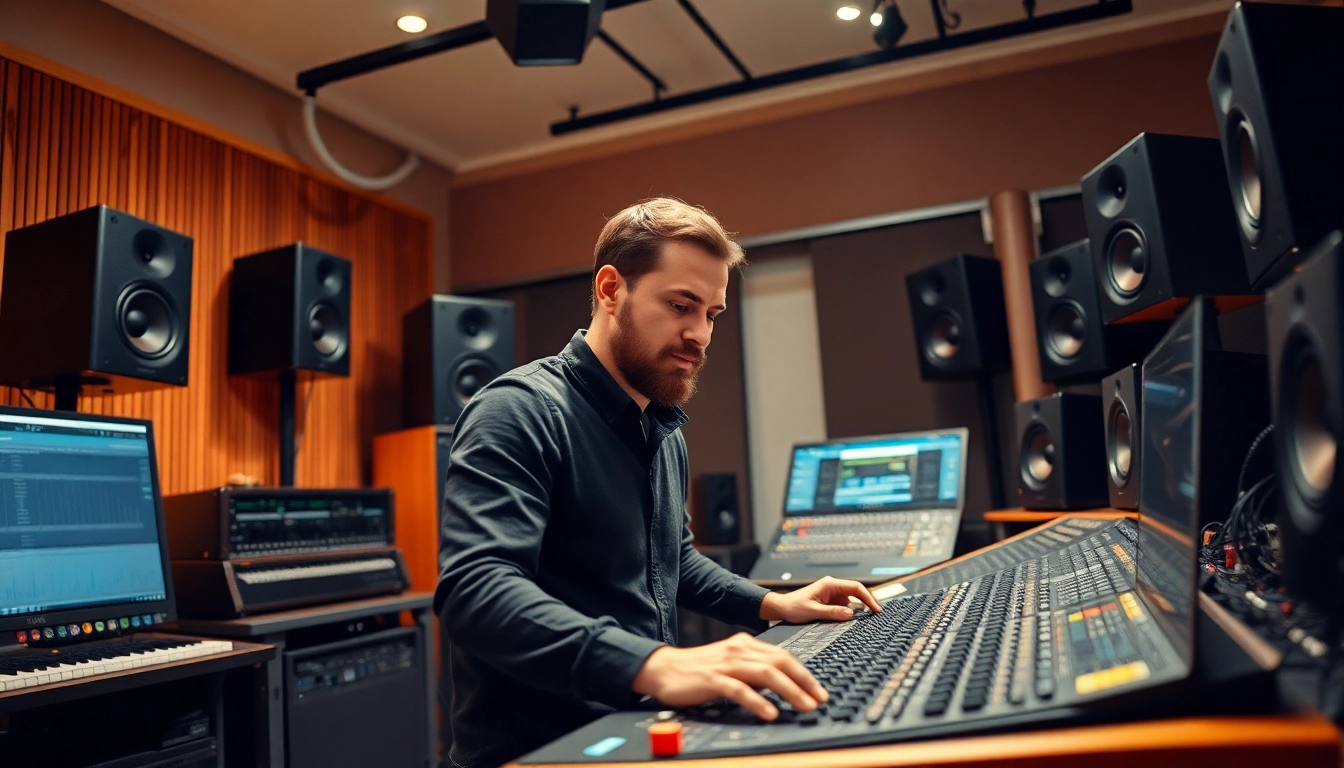
Master the Art of Online Mastering for Superior Sound Quality
Understanding the Basics of Online Mastering
Online mastering has revolutionized the way music creators finalize their tracks. No longer confined to professional studios, artists now have the capacity to master their music remotely, with significant advantages in cost and accessibility. This article will delve into online mastering, exploring its benefits, misconceptions, and how it fits into the broader landscape of music production. The world of online mastering offers both opportunities and challenges, each worth understanding for a successful musical career.
What is Online Mastering?
Online mastering is the process of preparing and transferring recorded audio from a source to a data storage device or medium via the Internet. This process typically involves adjustments in sound quality, enhancing the overall volume, and preparing tracks for digital distribution. Unlike traditional mastering which demands in-person equipment and experts, online mastering services allow users to upload their tracks, which are then processed by seasoned mastering engineers or powerful software algorithms, providing a polished final product.
Benefits of Choosing Online Mastering
Online mastering provides numerous advantages for musicians and producers alike:
- Cost-Effective: Traditional mastering sessions can be expensive. Utilizing online services can often provide professional quality at a fraction of the cost.
- Convenience: Artists can access mastering services from anywhere at any time, encouraging greater flexibility in tracking and production timelines.
- Variety of Options: Numerous online platforms offer different styles and techniques, allowing users to choose a service that aligns closely with their artistic vision.
- Speed: Many online mastering services promise fast turnaround times; some processes can be completed in as little as a few hours.
- Accessibility: With online mastering, even musicians in remote areas can access high-quality services that were once only available in major music cities.
Common Misconceptions about Online Mastering
Despite its growing acceptance, several misconceptions persist about online mastering:
- Only for amateurs: This is false; many professional artists leverage online mastering for convenience.
- Automated services lack quality: Quality can vary, but many online services employ skilled engineers ensuring high standards.
- It’s entirely hands-off: While online services can be automated, providing input and detailed instructions can significantly improve the results.
Choosing the Right Online Mastering Service
Choosing the right online mastering service is critical to achieving the best outcome for your music. With a plethora of options available, it’s essential to navigate through factors that will help in making an informed decision.
Factors to Consider When Selecting a Service
When selecting an online mastering service, consider the following factors:
- Reputation: Research the service’s reputation through testimonials and success stories.
- Portfolio Samples: Listen to previous projects completed by the service to gauge quality and style.
- Customer Service: Responsive customer support is crucial for addressing issues or providing feedback during the mastering process.
- Pricing Structure: Understand what’s included in various pricing tiers, ensuring you know what you’re paying for.
- Turnaround Times: Different services offer various turnaround options, so align expectations with your deadlines.
How to Evaluate Quality in Online Mastering
Assessing the quality of an online mastering service involves a systematic approach:
- Listen to Examples: Most credible services feature portfolio snippets. Analyze them with a discerning ear.
- Check for Consistency: Quality should be consistent across multiple tracks, not just selected highlights.
- Feedback from Peers: Engage with fellow musicians or producers for their experiences and recommendations.
- Trial Services: Some services offer trial mastering for a small fee or free, allowing a test run before you fully commit.
Reading Reviews and Testimonials
Online feedback can provide crucial insights into the reputation and reliability of a mastering service. Focus on:
- Desired characteristics shared in multiple reviews.
- Specific mentions of customer service quality.
- Comparison of expectations versus results shared by users.
- Signs of long-term satisfaction among repeat customers.
The Online Mastering Process Explained
To understand what online mastering entails, it’s important to familiarize yourself with the entire process, ensuring each step is adequately addressed for optimal results.
Steps Involved in Online Mastering
The online mastering process typically consists of the following steps:
- Upload: Artists upload their final mixes, either in WAV or AIFF format, to the chosen online platform.
- Selection of Options: Engage with any service-specific options regarding style, loudness levels, and formats.
- Processing: The mastering engineer or algorithm applies mastering techniques including EQ, compression, and limiting.
- Preview and Feedback: Many platforms allow for a preview of the mastered track, enabling feedback and adjustments if necessary.
- Finalize and Download: Once satisfied, artists finalize their order and download the mastered tracks in their desired format.
Recommended Tools and Software
While many online mastering services provide proprietary tools, understanding popular tools can be beneficial:
- iZotope Ozone: A comprehensive suite that combines various mastering tools into a single workflow.
- Ableton Live: Offers features that are useful for mixing and preparing tracks for mastering.
- Waves Plugins: Renowned for its extensive collection of high-quality audio processing plugins.
- LANDR: An AI-driven online mastering service that delivers quick results.
Best Practices for Preparing Your Tracks
To ensure the best possible outcome, taking the right steps before uploading your tracks is crucial:
- Proper Mixing: Ensure that the mix is balanced, with no elements overpowering others, which enhances the mastering process.
- Leave Headroom: A mix level around -6dB helps avoid clipping, allowing the mastering engineer some room to work.
- Familiarize with Formats: Understand the preferred formats for the mastering service to avoid conversion issues.
- A/B Comparison: Compare your mix with reference tracks to ensure competitive sound quality.
Maximizing Sound Quality Through Online Mastering
The heart of online mastering is enhancing the overall sound quality of your tracks, which can dramatically affect listener enjoyment and retention.
Understanding Loudness and Dynamics
Loudness and dynamics play crucial roles in how music translates across various playback systems. Key considerations include:
- Target Loudness: Master your track to the desired loudness level, balancing perceived loudness with dynamic range.
- Dynamic Range: Maintain a dynamic range that feels natural rather than compressed, affording transparency in louder tracks.
EQ Techniques for Optimal Clarity
Equalization is a fundamental tool in mastering your tracks, allowing for:
- Frequency Balancing: Achieving a balanced frequency spectrum ensures clarity and prevents muddiness.
- Cutting Unwanted Frequencies: Removing frequencies that do not contribute to the track helps to declutter the sound.
- Enhancing Presence: Specific boosts, like in the 2-4kHz range, can help vocals stand out in the mix.
Using Effects for Enhanced Mastering
Mastering tools may incorporate several effects to polish final mixes, including:
- Compression: To control dynamic range and add character to the overall sound.
- Reverb: For spatial effects to provide depth but should be used cautiously in mastering.
- Limiting: To avoid clipping and maximize volume without sacrificing quality.
Measuring the Success of Your Mastered Tracks
After mastering, evaluating the success of your tracks is essential to determine their impact and reception.
Key Metrics to Consider
Several metrics can gauge how effective your online mastering was:
- Client Satisfaction: High levels of repeat customers indicate successful outcomes.
- Engagement Rates: Analyze streaming numbers, downloads, and shares to understand listener impact.
- Critical Reception: Pay attention to reviews from music critics, industry professionals, and fans.
How to Get Feedback from Listeners
Gathering feedback is crucial to understand listener perspectives:
- Social Media Engagement: Use platforms to share tracks and solicit feedback directly.
- Streaming Sites: Analyze comments and reviews on platforms where tracks are hosted.
- Surveys: Use tools to create listener surveys to formalize feedback collection.
Long-Term Benefits of Quality Online Mastering
Investing in quality online mastering can yield various long-term benefits:
- Increased Reach: Professionally mastered tracks are more likely to be shared and promoted.
- Enhanced Professional Image: Quality plays a crucial role in positioning as a professional artist.
- Competitive Edge: Superior sound quality gives artists an advantage in a saturated market.
FAQs about Online Mastering
What file formats are best for online mastering?
WAV or AIFF formats are recommended due to their uncompressed nature, retaining audio quality.
How long does online mastering take?
Turnaround times can range from a few hours to several days, depending on the chosen service and workload.
Can I master my own tracks online?
Yes, you can use various online tools and platforms to master your own tracks, though professional input can enhance quality.
Is online mastering suitable for all music genres?
Yes, online mastering can be tailored for any genre, allowing for specific stylistic considerations in the process.
What is the average cost of online mastering?
The cost can vary widely based on the service, typically ranging from $20 to $200 per track, depending on complexity and quality.