
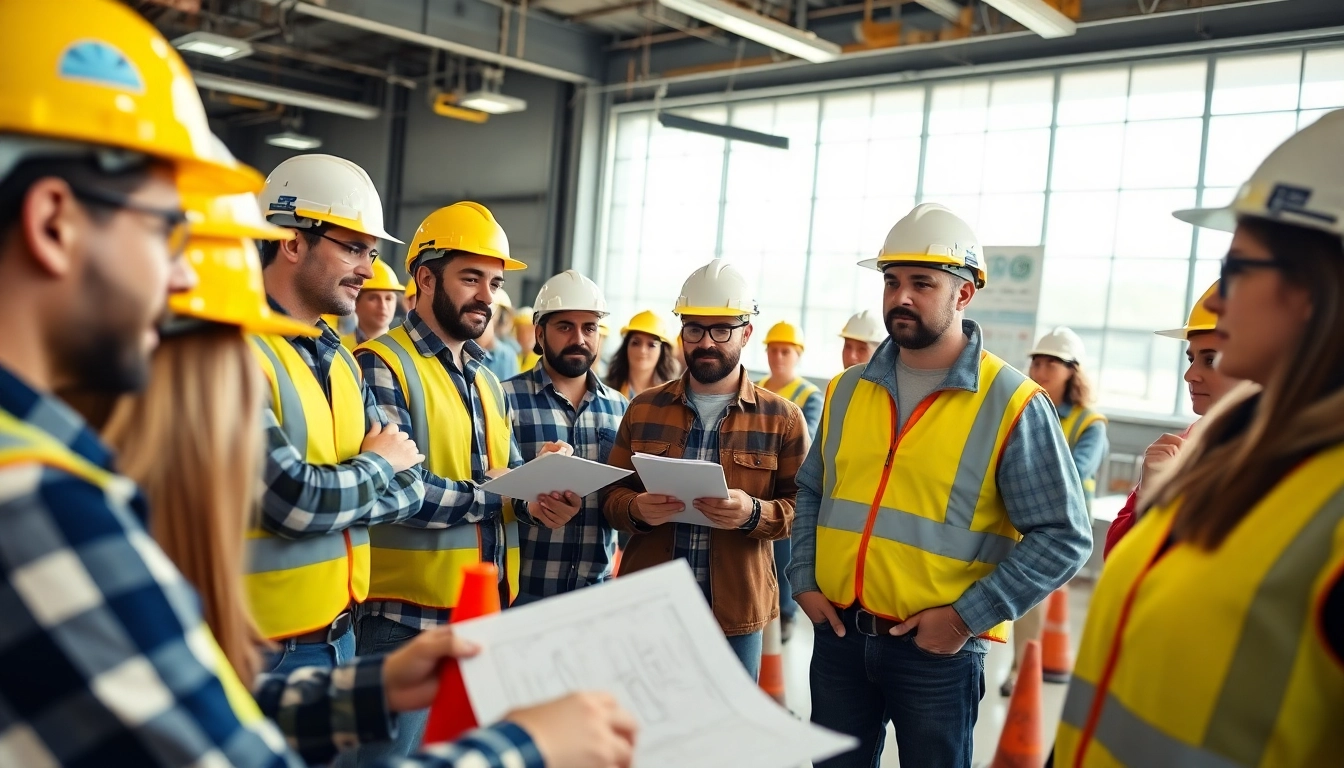
Essential Construction Safety Training for a Safer Worksite
Understanding the Importance of Construction Safety Training
Construction sites can be bustling environments where hazards lurk at every corner. Ensuring worker safety is paramount not only for the well-being of personnel but also for overall operational efficiency. Amidst the complexities of construction, construction safety training stands as a fundamental practice that safeguards employees against accidents, injuries, and fatalities.
Why is Construction Safety Training Essential?
Understanding the risks associated with construction work is the first step in developing a comprehensive safety culture. Construction sites are laden with potential hazards, including electrical, mechanical, height-related, and environmental risks. Without adequate training, workers may not recognize or mitigate these dangers, leading to severe accidents and associated costs. Humane values aside, injuries can result in significant financial implications for employers, including compensatory claims, lost productivity, and increased insurance premiums.
Key Benefits of Effective Training Programs
- Reduction in Accident Rates: Effective training has been linked to a significant decrease in workplace accidents.
- Enhanced Workforce Confidence: Proper training boosts workers’ confidence in identifying and addressing hazards.
- Improved Reputation: Companies recognized for prioritizing safety are more attractive to potential employees and clients.
- Cost Efficiency: Investment in safety training pays off by reducing the costs associated with workplace injuries and downtime.
Legal Requirements and Compliance Standards
Various regulations are set forth by entities like the Occupational Safety and Health Administration (OSHA) to ensure worker safety on construction sites. Adhering to these legal requirements isn’t optional; it’s a vital practice that can lead to compliance, prevent fines, and protect the company’s standing. Regular updates and training refreshers will help the workforce stay compliant with evolving safety laws.
Core Components of Construction Safety Training
Identifying Common Hazards on Construction Sites
Before construction safety training can begin, it’s crucial to identify common hazards that workers face. These include falls, being struck by moving objects, electrocution, and health hazards such as exposure to harmful materials. Training programs should teach workers to recognize these risks and conduct thorough assessments of their work environments to mitigate hazards.
Implementing Safety Protocols and Use of PPE
Personal Protective Equipment (PPE) is an integral part of safety on construction sites. Workers should be trained on the proper use, maintenance, and inspection of equipment like hard hats, gloves, safety goggles, and harnesses. Furthermore, implementing safety protocols, such as conducting regular safety briefings and updating emergency procedures, is essential to maintaining a proactive safety culture.
Understanding Emergency Procedures and First Aid
Understanding how to respond in emergencies can significantly reduce the consequences of accidents. Training should include emergency response protocols, such as evacuation procedures, fire drills, and the proper use of fire extinguishers. First aid training can also empower workers to administer immediate care until professional help arrives, potentially saving lives and reducing injury severity.
Best Practices for Delivering Construction Safety Training
Creating Engaging Training Sessions
Traditional lecture-style training may not effectively engage all learners. Instead, employing diverse training methods like hands-on demonstrations, simulations, and interactive workshops can lead to better retention of safety practices. Engaging sessions not only hold participants’ attention but also encourage them to actively participate in their learning experience.
Utilizing Technology for Improved Training Efficiency
With advances in technology, incorporating e-learning modules, virtual simulations, and mobile applications into training programs can increase accessibility and flexibility. Technology also allows for the customization of training content to suit different experience levels, making safety training more applicable to each worker’s role.
Evaluating Training Effectiveness and Outcomes
After the implementation of training programs, it’s vital to evaluate their effectiveness. This evaluation may include assessments, performance metrics, and on-site observations to measure the outcomes of training. Continuous monitoring ensures adjustments can be made, enhancing the overall safety training process.
Case Studies of Successful Construction Safety Training
Real-World Implementations and Success Stories
Many companies have successfully transformed their safety landscape by implementing robust training programs. One notable case involved a national contractor that overhauled its training approach, integrating advanced technology and ongoing training processes. The result was a remarkable decrease in incident reports and an improvement in workforce morale.
Learner Feedback and Adaptations Made
Feedback from participants is a critical element of refining safety training. After initial training sessions, the aforementioned contractor incorporated surveys to gather insights from employees. Responding to feedback, they adjusted their training materials and methods, resulting in a continuously improving training process that resonated well with their workforce.
Measurable Impacts on Safety Records
Post-training evaluations often revealed significant drops in accident rates, with some companies reporting reductions of over 50%. With comprehensive safety training, work-related injuries have diminished substantially, not only improving the safety records but also fostering a culture of safety that becomes ingrained in the company’s ethos.
Future Trends in Construction Safety Training
The Role of Virtual Reality and Simulations
Virtual Reality (VR) is set to revolutionize the way safety training is delivered. VR allows workers to experience realistic simulations of hazardous situations without any actual risk. Through immersive training environments, employees learn firsthand how to react appropriately and safely to various scenarios, significantly enhancing their preparedness.
Continual Learning and Certification Updates
The construction industry is continually evolving, necessitating that safety training programs are not static. Workers need ongoing education and recertification to stay current with the latest safety protocols and equipment. Periodic refresher courses ensure that employees retain critical safety knowledge and adapt to new regulations and technologies.
Adapting Training to New Technologies and Practices
As the construction industry incorporates more technology—like drones for site inspections and smart devices for communication—training must evolve too. Programs should focus on new tools and methodologies, ensuring that workers are equipped with skills that reflect advancements in construction practices.
Frequently Asked Questions
What is construction safety training?
Construction safety training is an educational program designed to inform workers on safety regulations, hazard recognition, and protective measures necessary to minimize risks on construction sites.
Why is safety training vital in construction?
It is crucial as it helps reduce the risk of accidents, improve compliance with safety regulations, increase worker confidence, and lower costs associated with workplace injuries.
What are common hazards identified in construction?
Common hazards include falls, being struck by equipment, electrical hazards, and exposure to harmful substances, which can severely injure workers without proper training.
How can technology enhance safety training?
Technology enhances training through interactive e-learning modules, virtual reality simulations, and mobile applications, making training more engaging and accessible.
How often should safety training be conducted?
Safety training should be conducted regularly and include periodic refreshers, especially when new equipment, processes, or regulations are introduced to ensure continued compliance and skill retention.