
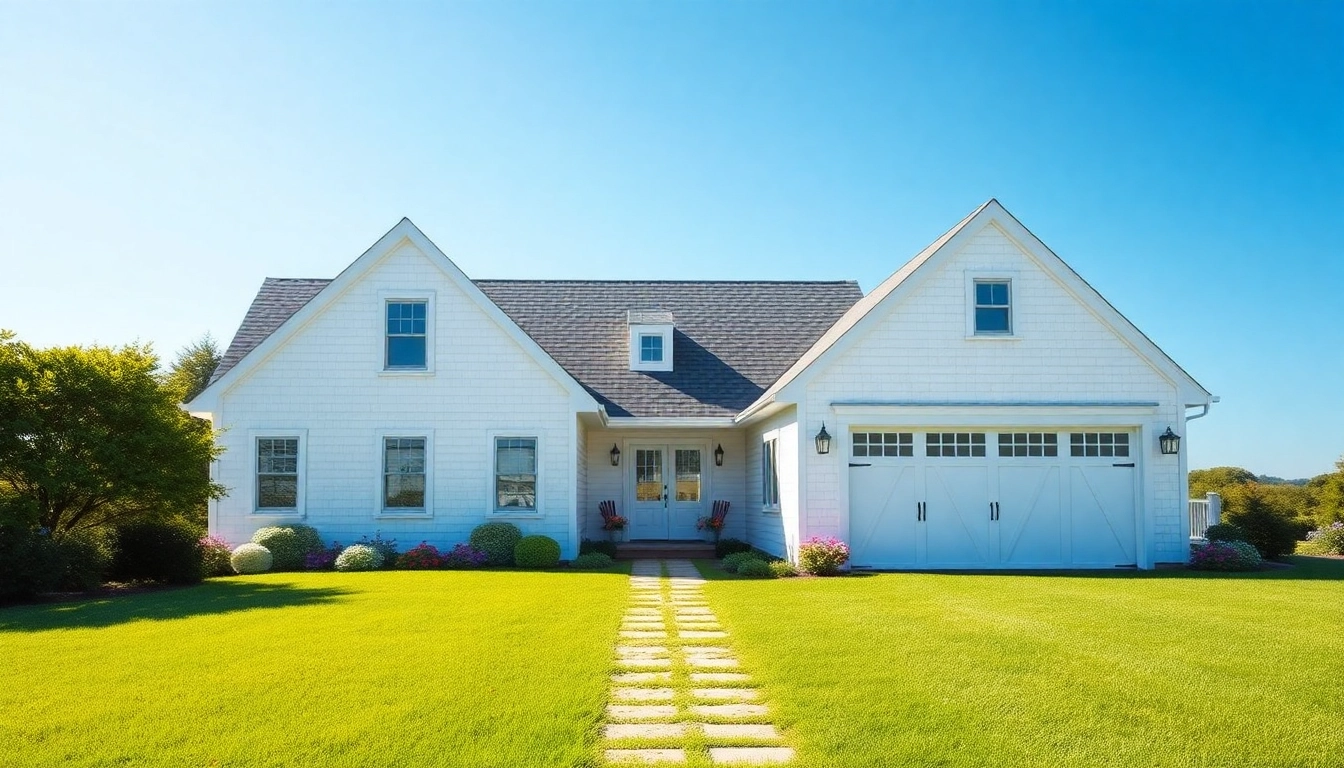
Elevate Your Lifestyle with Stunning Cape Cod Homes Featuring Attached Garages
Understanding Cape Cod Homes
The charm of cape cod homes has long captivated homeowners and architects alike. Originating from New England, these residences embody a rustic simplicity and timeless appeal. In this article, we will explore the history, architectural features, and variations of Cape Cod homes, emphasizing their unique characteristics that continue to influence modern housing designs.
History and Origin of Cape Cod Homes
Dating back to the early 17th century, Cape Cod homes were originally built by English settlers in colonial America. The designs reflected the practical needs of the time, focused on durability and functionality amidst harsh New England winters. The homes were typically constructed using local timber, with simple rectangular shapes that minimized construction costs while maximizing livability.
These homes became prominent along the eastern coast, gaining their name from Cape Cod, Massachusetts. The classic Cape Cod style consists of one or one-and-a-half stories, featuring steep roofs to shed snow effectively and symmetrical designs to provide a sense of balance and harmony.
Key Architectural Features of Cape Cod Homes
One of the defining qualities of Cape Cod homes is their minimalist aesthetic, spotlighting practicality while remaining visually appealing. Key features include:
- Steep Roofs: The characteristic steeply pitched roofs enable snow to slide off easily, preventing accumulation that could damage the structure.
- Dormer Windows: These windows are often present, providing additional natural light and creating more usable attic space.
- Wooden Shingles: Traditionally made from cedar, wooden shingles offer a natural, weathered look that blends seamlessly with the surroundings.
- Symmetrical Facade: Typically designed with a central front door, the symmetry establishes an inviting entry point that enhances curb appeal.
- Chimneys: Often centrally located, these provide aesthetic balance and essential function, as many Cape Cod homes originally relied on fireplaces for heating.
Popular Variations of Cape Cod Home Designs
While traditional Cape Cod homes emphasize a straightforward architectural style, various adaptations have emerged to cater to modern preferences. Among these variations are:
- Modern Cape Cod: These homes retain the original charm but incorporate modern materials, larger windows, and open floor plans, providing more light and space.
- Expanded Cape Cod: Homeowners often choose to expand upon the original design, adding more square footage while maintaining the home’s traditional aesthetic.
- Contemporary Cape Cod: This design melds Cape Cod elements with contemporary architectural styles, featuring sleek lines and innovative materials.
- Bungalow Style Cape Cod: Combining the cozy feel of a bungalow with Cape Cod characteristics, these homes generally feature a wide front porch and informal interior layouts.
Benefits of Adding an Attached Garage
Incorporating an attached garage into your Cape Cod home expands its functionality and enhances its value. Here are some notable benefits:
Increased Property Value and Utility
Adding an attached garage can significantly increase the resale value of your home. Potential buyers often view garages as an essential feature, especially in regions with severe weather conditions. The added utility makes everyday life more convenient, allowing for direct access to your home without braving the elements, particularly during rain or snowfall.
Improved Safety and Security for Vehicles
Keeping your vehicles in a garage significantly reduces the risk of theft, vandalism, and weather-related damage. An attached garage also promotes overall security, as it can serve as an entry point to the home, allowing controlled access if desired.
Convenient Access in Various Weather Conditions
One of the unmissable advantages of an attached garage is the convenience it offers, especially in regions prone to inclement weather. During winter months, homeowners can enter their homes without stepping outside, making it ideal for families with pets or children.
Designing Your Cape Cod Home Expansion
Expanding your Cape Cod home requires careful consideration to balance aesthetics and functionality. Here are essential design elements to consider:
Balancing Aesthetics and Functionality
When designing an expansion, prioritize maintaining the classic charm of Cape Cod architecture while ensuring that the new space meets your lifestyle needs. Incorporate architectural features similar to the original home, such as gabled roofs or dormer windows, to create a cohesive look.
Choosing Materials for Seamless Integration
Selecting materials carefully is crucial for achieving seamless integration between the existing structure and any new additions. Opt for wood siding and shingles that match or complement the original home’s materials to enhance aesthetic appeal. Color consistency is equally important, ensuring the expanded areas harmonize with the existing palette.
Planning Your Outdoor Space Effectively
Landscape design plays a vital role in the success of a home expansion project. Create an outdoor space that connects beautifully with your expanded areas and complements the overall landscape. Consider adding walkways, patios, or decks that echo the architectural style of your Cape Cod home, integrating outdoor living spaces that enhance your family’s enjoyment of the property.
Cost Considerations for Expansion Projects
Understanding the financial implications of expanding your Cape Cod home is critical for realistic planning and budgeting. Here are some factors to consider:
Assessing Budget Implications
The budget for your expansion project will vary based on several factors, including size, materials, and labor costs. Start by obtaining detailed quotes from contractors and estimating costs for permits, inspections, and landscaping. Setting aside a contingency fund will also be beneficial to cover any unanticipated costs that may arise during construction.
Best Financing Options for Home Expansions
Explore financing options tailored to your needs, such as home equity loans, personal loans, or mortgage refinancing. Consult with financial experts to identify the best approach for your circumstances, taking into account interest rates and repayment terms.
Understanding Return on Investment
Investing in a home expansion can yield a solid return if completed thoughtfully. On average, expansions typically yield a 60-70% return on investment, although this can vary based on location and housing market trends. To maximize ROI, focus on functional designs and high-quality materials that appeal to prospective buyers.
Frequently Asked Questions
What are the characteristics of Cape Cod homes?
Cape Cod homes typically feature steep roofs, dormer windows, and a symmetrical facade, embodying a cozy, classic style.
How can an attached garage enhance a Cape Cod home?
An attached garage can increase the home’s functionality, enhance curb appeal, and provide added security for vehicles and belongings.
What materials are ideal for expanding a Cape Cod home?
Wood siding, shingles, and complementary color schemes are ideal to ensure the new addition blends seamlessly with the original design.
Are there financing options available for home expansion?
Yes, homeowners can explore options like home equity loans, personal loans, or refinancing their mortgage to fund expansions.
What’s the typical return on investment for expanding a home?
Expansions often yield a return of 60-70%, depending on location and market trends, making them a worthwhile investment.