
A Comprehensive Guide to the Sandakphu Trek: Experience Majestic Views and Adventure
Understanding the Sandakphu Trek
Overview of the Trek
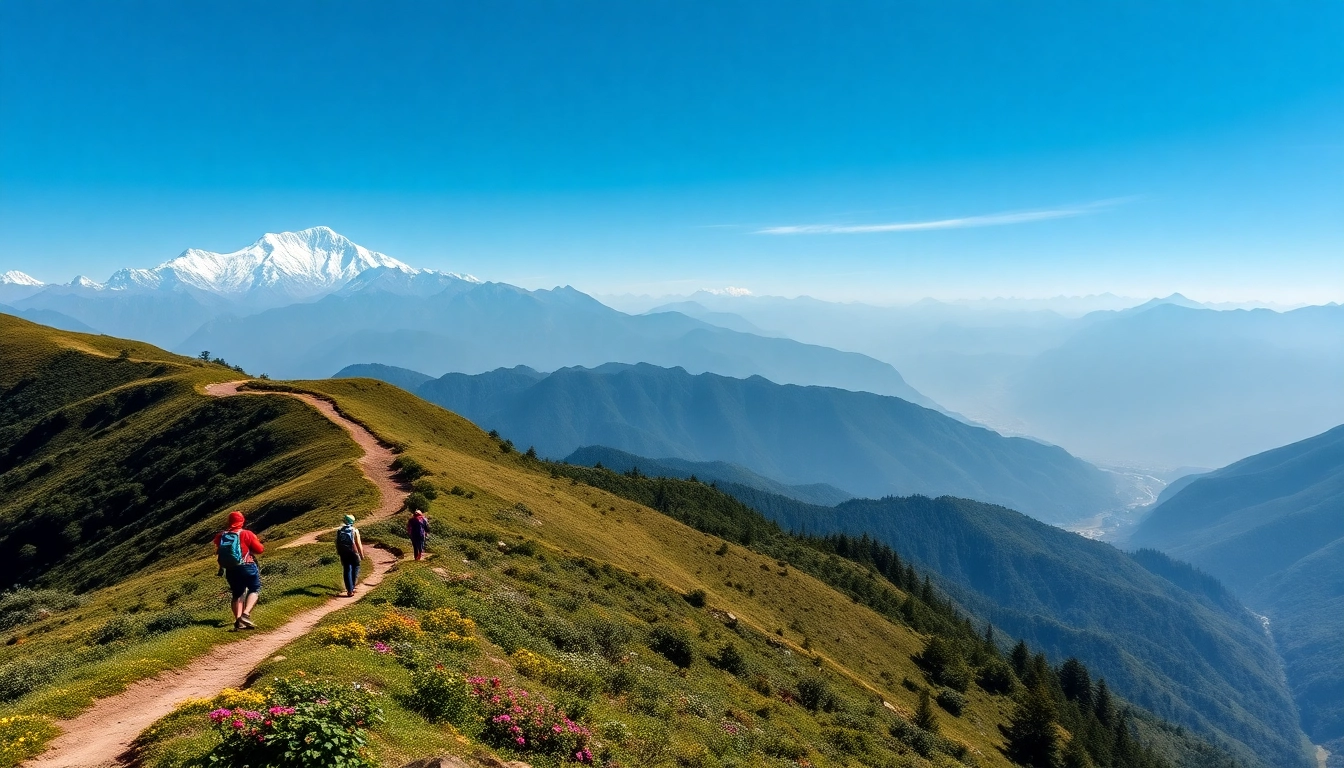
The sandakphu trek is one of the most captivating adventures in the Himalayas. As the highest peak in West Bengal, Sandakphu rises to an impressive altitude of 3,636 meters (11,929 feet). This trek offers trekkers an opportunity to witness breathtaking views of not just one, but four of the world’s tallest peaks: Everest, Kanchenjunga, Lhotse, and Makalu. The journey to Sandakphu traverses through lush forests, charming mountain villages, and the serene landscapes of the Singalila National Park, which harbors diverse flora and fauna, making it a trek that appeals to nature enthusiasts as well as adventure seekers.
Geography and Landscape
The geography along the Sandakphu trek is remarkably varied, transitioning from dense rhododendron forests and grasslands to barren, rocky terrain near the altitude of Sandakphu itself. The trail weaves through rugged hikes, smooth walking paths, and steep ascents that test the stamina of trekkers. The landscape boasts mesmerizing views of valleys and distant peaks, particularly stunning at sunrise and sunset, when the golden rays reflect off the snow-capped mountains. Wildlife enthusiasts may also discover rare species such as the red panda and various pheasant species along the route.
Historical Significance
Sandakphu has a rich history steeped in both cultural and natural significance. Historically, it served as a crucial strategic point for trade between India and Nepal, and the remnants of their shared heritage can still be seen in the many villages that dot the landscape. Moreover, the area showcases the indigenous culture, with local communities still practicing traditional lifestyles. Trekking through this region allows visitors to immerse themselves in the local culture while absorbing the majestic beauty of the surroundings.
Planning Your Sandakphu Trek Adventure
Best Times to Visit
The Sandakphu trek can be undertaken year-round, but the best times to experience its beauty are in spring (March-April) and autumn (October-November). During these months, trekker conditions are optimal, with clear skies providing stunning views of the peaks. The post-monsoon period in October-November often gifts trekkers with crisp air and vibrant landscapes, while spring blossoms paint the trails with colors of blooming rhododendrons and wildflowers.
Weather Conditions
The weather in the Sandakphu region can be quite unpredictable, often changing rapidly. In spring, temperatures are mild during the day (around 10-15°C), whereas nights can dip close to freezing. Autumn similarly experiences mild daytime temperatures, but the nights are colder. Snowfall can occur in winter (December-February), sometimes making sections of the trek challenging to navigate. Being prepared for sudden weather changes is crucial, so trekkers should equip themselves with appropriate clothing layers and gear.
Essential Gear and Preparation
Preparing for the Sandakphu trek requires careful selection of gear. Essential items include:
- Footwear: Sturdy trekking boots that provide ankle support.
- Clothing: Moisture-wicking base layers, insulated jackets, and thermal wear for varying temperatures.
- Backpack: A comfortable backpack to carry essentials, with a capacity of 40-50 liters recommended.
- Navigation Tools: A trekking map, GPS device, or mobile app to guide along the trail.
- First Aid Kit: Includes basic medications, bandages, and altitude sickness medication.
Physical preparation is equally significant; building stamina with regular hiking and engaging in cardiovascular workouts will make the trek more manageable.
Navigating the Sandakphu Trek Route
Detailed Itinerary
The adventure typically spans 6-7 days, with variations depending on starting points. A common itinerary begins at Manebhanjan, leading to Tumling, Kalapokhri, and finally Sandakphu. Trekkers commonly move from Sandakphu to Phalut, an extension that also provides spectacular views. Here’s a rough breakdown:
- Day 1: Manebhanjan to Tumling (11 km, approx. 6 hours)
- Day 2: Tumling to Kalapokhri (9 km, approx. 4 hours)
- Day 3: Kalapokhri to Sandakphu (7 km, approx. 3-4 hours)
- Day 4: Sandakphu to Phalut (20 km, approx. 7 hours)
- Day 5: Phalut back to Sandakphu (20 km, approx. 7 hours)
- Day 6: Sandakphu to Manebhanjan (31 km, approx. 8 hours)
Points of Interest Along the Route
The trek is dotted with various points of interest, including:
- Rhododendron Forests: Particularly abundant in spring, these forests create a colorful panorama.
- Mirik Valley: Visible from various spots along the trek, this valley is conducive to stunning landscapes.
- The Singalila National Park: A protected area that boasts diverse wildlife, including rare species.
- Cultural Sites: Interactions with local villages enrich the cultural experience along the way.
Every turn offers a new perspective and an opportunity to connect with nature and local traditions.
Safety Precautions
Safety is paramount when trekking in high-altitude environments. Frequent acclimatization is essential to prevent altitude sickness. Trekkers should listen to their bodies and take rest days as needed. Keeping hydrated and avoiding strenuous activity on arrival days can significantly aid adaptation. Trekking with a companion or an experienced guide is advisable for safety, as they carry knowledge of local terrains and unexpected conditions.
Challenges and Tips for Trekkers
Understanding Trek Difficulty
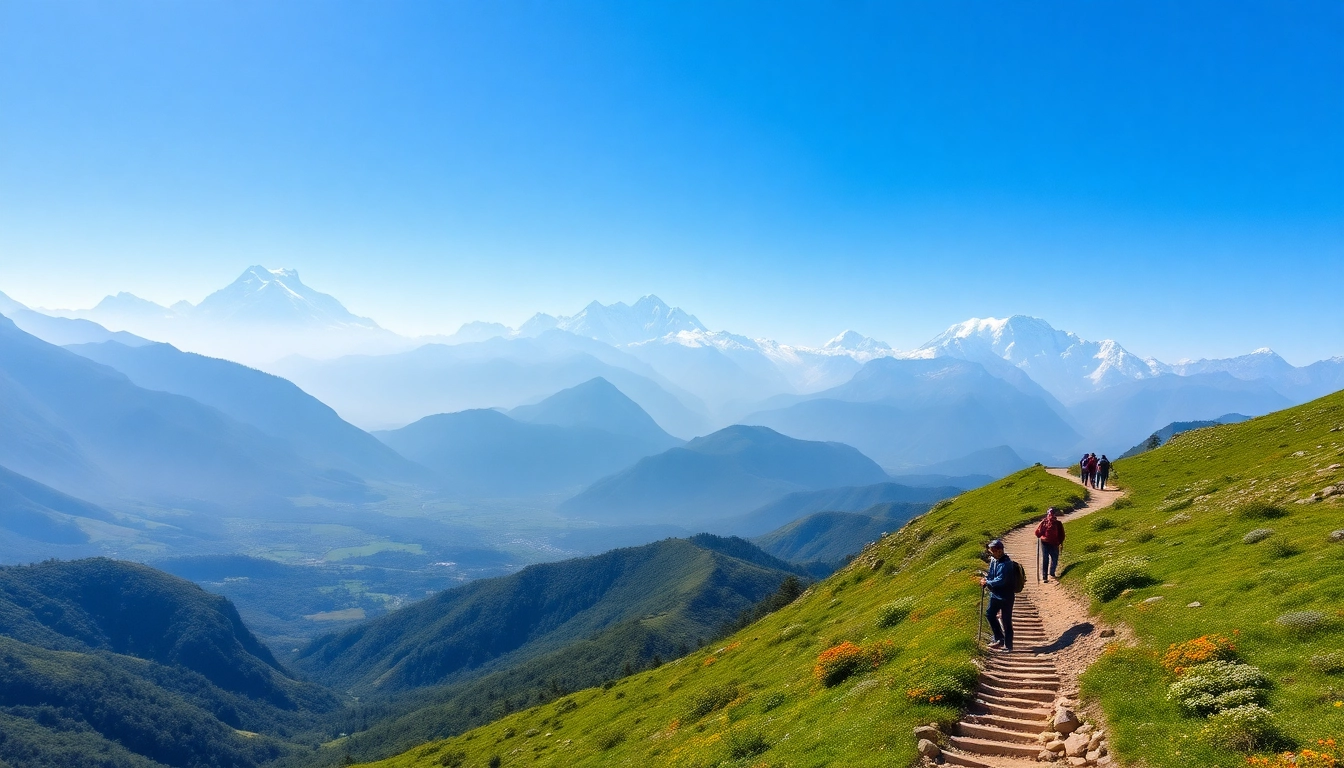
The Sandakphu trek is often rated as moderate, appealing to those with reasonable fitness levels. While it is deemed suitable for beginners, the trek involves significant daily walking, including some steep ascents. Trekkers should manage their pace, focus on proper breathing techniques, and be prepared for long stretches of walking. Though the trek is approachable, advance fitness training should not be underestimated.
Health and Safety Considerations
Trekking at high altitudes can pose risks of altitude sickness. Symptoms may include headaches, dizziness, and nausea. Immediate descent to a lower altitude and hydration are vital if symptoms occur. Regular breaks during hikes allow the body to adapt, while consuming carbohydrate-rich foods can provide necessary energy. Investors should also remain cautious of changing weather conditions that can lead to hypothermia or sunburn at higher altitudes.
Local Culture and Etiquette
Respect local customs and traditions during your trek. Engaging with local communities can create meaningful experiences. Always ask permission before taking photographs, especially of people or sacred sites. Supporting local businesses, such as eateries and accommodations, fosters positive interactions between trekkers and locals and aides in sustaining their economy.
Frequently Asked Questions About the Sandakphu Trek
1. How difficult is the Sandakphu trek?
Rated moderate, the Sandakphu trek requires good physical fitness. While most sections are manageable, there are steep ascents, especially on descent and ascent days.
2. Which month is the best for the Sandakphu trek?
March, April, October, and November are ideal months for the Sandakphu trek. These months provide stable weather conditions and clear views of the mountains.
3. Can beginners do the Sandakphu trek?
Yes, the trek can be undertaken by beginners as long as they are reasonably fit and prepared. Prior hiking experience is beneficial but not required.
4. Can I see Mount Everest from Sandakphu?
Yes, Sandakphu offers remarkable views of Mount Everest alongside Kanchenjunga and other high peaks, especially during sunrise and sunset for the best experience.
5. What is the approximate distance of the Sandakphu trek?
The total distance of the Sandakphu trek is around 50-60 km, depending on the route taken and including optional extensions like Phalut.