
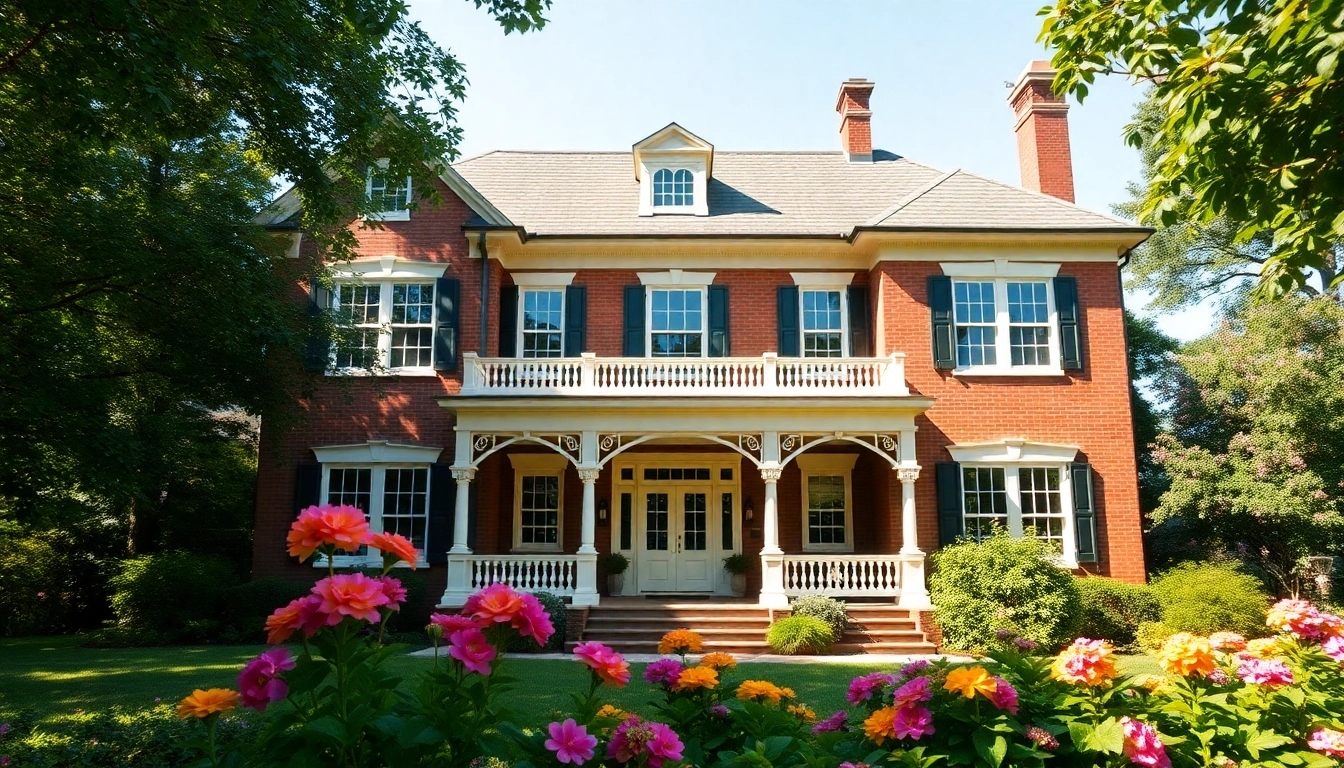
Revitalizing Charm: Mastering Colonial Home Renovation for Timeless Elegance
Understanding Colonial Home Renovation
Defining Colonial Architecture
Colonial architecture is a distinct style rooted in the early American period, exhibiting characteristics influenced by European designs, primarily derived from English, Dutch, Spanish, and French colonization. It is marked by symmetrical facades, prominent gables, and double-hung windows with shutters. The aesthetics may vary regionally, but what remains constant is the elegance and representation of historical narratives. Understanding these attributes is essential for homeowners looking to undertake a colonial home renovation, ensuring that updates honor the original design while modernizing the space.
Why Renovate Colonial Homes?
Renovating colonial homes is often driven by a desire to preserve architectural heritage while improving functionality and energy efficiency. Many colonial homeowners initiate renovations to update kitchens and bathrooms, integrate modern technology, and enhance living spaces for contemporary use. Additionally, historical preservation can increase property value significantly, making it a worthwhile investment. The goal is not only to breathe new life into the property but also to maintain the story echoed in each brick and beam, linking modern living with the past.
Common Challenges in Colonial Home Renovation
While renovating a colonial home can be rewarding, it also presents unique challenges. Homeowners often encounter issues with outdated infrastructure, including plumbing, electrical systems, and insulation, which may not meet contemporary standards. Another frequent challenge is sourcing materials that match the original design—a task made more complicated by the age of the home and the availability of authentic materials. Additionally, homeowners must navigate local regulations regarding historical renovations, which can impose restrictions on alterations. Proper planning and expert guidance can help mitigate these challenges and lead to a successful transformation.
Planning Your Colonial Home Renovation
Setting a Renovation Budget
Setting a budget is a crucial first step in any renovation project. It involves assessing the scope of work required and identifying how much you are willing to invest in your colonial home renovation. Begin by compiling a comprehensive list of required repairs and desired upgrades, alongside estimates for materials, labor, and potential permits. It’s wise to include a contingency fund—typically 10-20% of your total budget—to cover unexpected costs that often arise during renovations. This allows for flexibility and peace of mind as the project progresses.
Identifying Key Renovation Areas
Determining which areas of your colonial home to renovate should prioritize both functionality and aesthetics. Common focal points include the kitchen and bathrooms, which are essential for modern family living and can significantly influence resale value. Additionally, consider the living and dining areas, where updates can improve flow and accessibility. Outdoor spaces are equally important; landscaping, patios, and front porches enhance curb appeal and create welcoming environments. Make sure that your renovations reflect your lifestyle while respecting the home’s architectural integrity.
Choosing an Experienced Contractor
Selecting a contractor experienced in colonial home renovation is pivotal for a successful project. Look for professionals who understand the historical context and can comply with local codes and regulations, as well as those who can provide references or portfolios demonstrating their expertise. Conduct thorough interviews to gauge their approach to project management, communication style, and adherence to budgets and timelines. A knowledgeable contractor will not only guide you through the planning and execution phases but will also help troubleshoot issues as they arise.
Design Considerations for Colonial Homes
Maintaining Historical Integrity
Preserving the historical integrity of a colonial home is vital during any renovation process. This involves honoring the original style, materials, and craftsmanship that define its character. Homeowners should research the specific architectural details, such as moldings, doorways, and window styles, before introducing new elements. In some cases, elements like keeping the original wood flooring or restoring old brick facades can add significantly to the charm and value of the property. Consulting with preservation specialists can provide insights into maintaining the property’s historical essence while accommodating modern needs.
Modern Upgrades that Enhance Tradition
Integrating modern amenities while respecting the traditional framework of colonial homes is an art that can balance heritage with necessity. High-efficiency windows, updated heating and cooling systems, and smart home technology can coexist harmoniously with classic aesthetics. Consider implementing updates discreetly; for example, installing under-cabinet lighting in a traditional kitchen or modern appliances that blend into vintage cabinetry. Such modern upgrades should enhance the home’s livability without disrupting its historical charm.
Landscaping for Colonial Homes
Landscaping is a crucial aspect of colonial home renovations. Thoughtful landscaping enhances the property’s curb appeal and provides a welcoming atmosphere. Traditional colonial landscaping often includes symmetrical garden layouts, well-defined pathways, and native plants that echo the historical context of the home. Incorporating period-appropriate features like a brick walkway or a classic picket fence can create continuity between architecture and grounds. Furthermore, outdoor living spaces such as patios can encourage gatherings while respecting the historical proportions of the home.
Executing Your Colonial Home Renovation
Best Practices for Project Management
Efficient project management is crucial for maintaining harmony between timelines, costs, and quality during a renovation. Developing a clear timeline with milestones allows homeowners to anticipate key phases of the project. Maintain ongoing communication with the contractor to ensure all parties are aligned with the goals and updates on progress. Employing project management tools or software can help track budgets, schedules, and tasks while facilitating collaboration between the homeowner and the contractor. Establishing a workable plan and adhering to it is essential for achieving satisfactory results.
Staying on Schedule and Budget
To stay on schedule and within budget during your renovation, regularly review progress against your initial plans and timelines. Establish key performance indicators (KPIs) to evaluate efficiency, such as tracking the time taken for specific phases or variance in costs. Be proactive in addressing delays or changes that may impact the renovation, and remain steadfast in open communication with your contractor about any arising issues or hidden problems discovered during demolition or repairs. Staying flexible and adapting to changes can ultimately lead to a more successful outcome.
Regular Inspections During Renovation
Conducting regular inspections throughout the renovation process is essential. This step allows homeowners to ensure that work aligns with expectations, quality standards, and compliance with local regulations. An inspection schedule should align with significant project milestones—for instance, after the foundation work but before interior finishes. Documenting each stage through photographs and notes not only helps track progress but can also prove invaluable should any disputes arise. Additionally, these records serve as a historical account of the renovation investment.
Evaluating the Success of Your Renovation
Measuring Improvements in Value
After completing your colonial home renovation, evaluating improvements in property value can offer insights into the project’s success. Conduct a professional appraisal to provide an impartial view of the home’s current market value in comparison to pre-renovation assessments. Consider how renovations have enhanced livability, functionality, and energy efficiency, as well as their appeal to potential buyers. Tracking the overall return on investment (ROI) will help gauge the financial merits of your renovation choices
Gathering Feedback from Residents
Gathering feedback from family members or residents post-renovation is an essential step to evaluate your project’s success. Conduct informal discussions or structured surveys to gain insights into how the changes impact daily life and satisfaction within the space. Understanding how residents interact with their environment can provide valuable insights for future projects and may identify areas requiring adjustments to improve comfort or functionality. This information is not only useful for personal reflection but can also inform potential future renovations.
Documenting the Renovation Journey
Documenting the renovation journey serves multiple purposes. Capturing photographs and writing notes throughout the process can provide a narrative of the transformation, highlighting the effort invested and the joy of realizing a vision. This documentation becomes a valuable reference for future renovations or repairs and can even be useful when selling the property to highlight the home’s storied past. Sharing the journey through social media or blogs can also connect you with other homeowners undergoing similar projects, offering inspiration and camaraderie.
Frequently Asked Questions
What should I consider before starting a colonial home renovation?
Assess the structural integrity of your home, prioritize areas needing updates, and set a clear budget. Research historical preservation guidelines in your area, and consult with professionals experienced in colonial architecture.
How can I preserve the historical elements of my colonial home?
Retain original features like moldings, doors, and windows whenever possible. Consult with preservation specialists who can guide you on restoration methods that respect the home’s historical context.
What modern amenities should I consider for my colonial renovation?
Integrate energy-efficient windows, updated HVAC systems, smart home technology, and modern appliances that blend with traditional aesthetics to enhance both comfort and efficiency.
How can I avoid budget overruns during renovations?
Set a clear budget with a contingency fund for unexpected costs, regularly track expenditures, and maintain open communication with your contractor to address changes proactively.
What are the best landscaping options for colonial homes?
Opt for symmetrical garden layouts, native plants, and period-appropriate features like brick walkways and picket fences to create a balanced and attractive setting that complements your home’s architecture.